7 Spots You Should Never Plant Bulbs if You Want Flowers Year After Year
- Avoid planting bulbs in heavy, poorly drained soil or areas prone to water pooling.
- Do not plant bulbs in deep shade, near dense root systems, or areas exposed to salt runoff.
- Small containers in freezing climates won’t protect bulbs enough from temperature extremes.
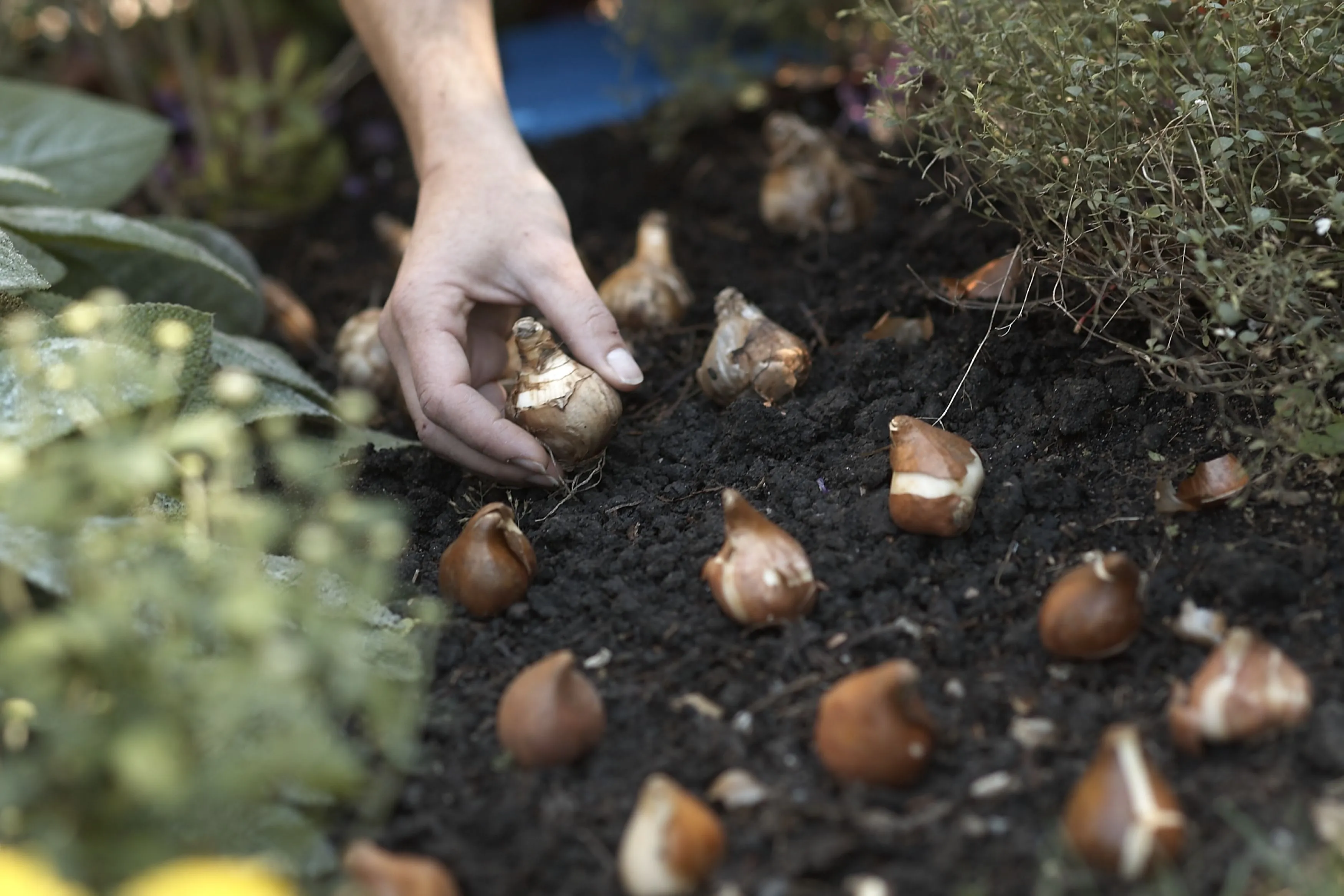
Perennial bulbs are one of the most rewarding things to plant. Many bulbs naturalize over time to fill a space, reliably delivering many years of beautiful flowers. But as easy and low-maintenance as bulbs are, planting them in the right conditions is crucial for success.
In the wrong spot, even the toughest bulbs will do poorly. Here are the places that you should avoid so you can enjoy their flowers for years to come.
1. In Heavy Soil with Poor Drainage
Any place in your yard that has heavy soil due to a high clay content, drains poorly because it’s compacted, or is a low spot is not suitable for most bulbs. The only exceptions are bulbs that naturally grow in wetlands or marshes or tolerate wet soil, such as snowdrops, fritillaria, and camassia. All other bulbs struggle in overly wet conditions, and are likely to rot.
Good drainage is not only key during the growing season but also in winter. Make sure not to plant bulbs in a place where water puddles, which often happens when the ground is frozen and the water has nowhere to go. If you suspect that the area where you intend to plant bulbs is draining poorly, amend the soil with compost before planting, or choose a different location.
2. In Deep Shade
While some bulbs such as squill are more tolerant of shade than others, planting them in an area that gets barely any direct sunlight is not a good option. Most bulbs need at least half a day of full sun, which is defined as six hours of direct, unfiltered sunlight at the minimum.
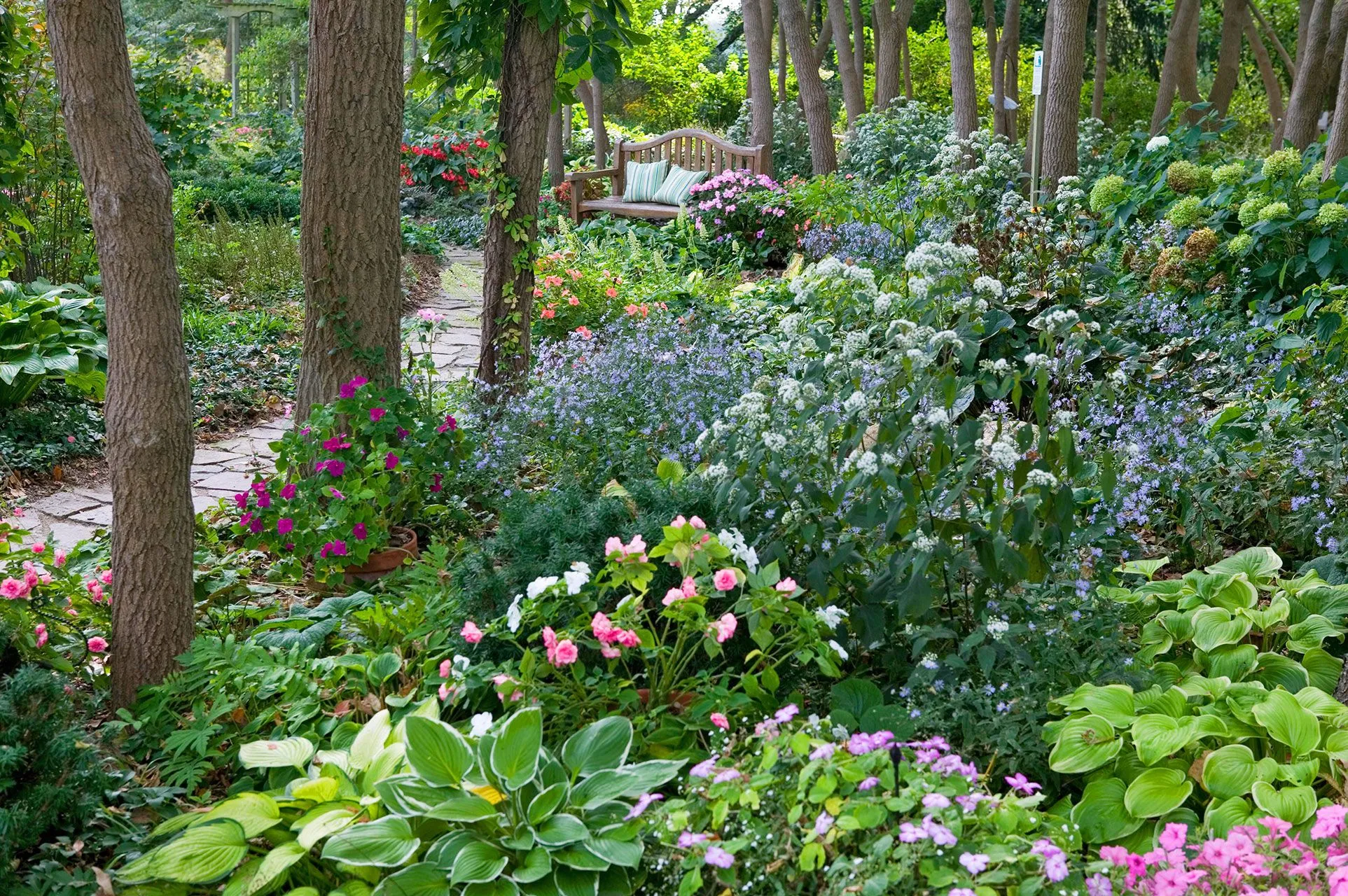
Planting bulbs below deciduous trees or shrubs that develop their foliage after the bulbs have bloomed and the foliage has withered and disintegrated is fine, as the bulbs still get dappled sunlight. Locations in full shade, such as under dense evergreens, on the north side of buildings, or along tall fences or walls, should be avoided.
3. Where You Mow Regularly
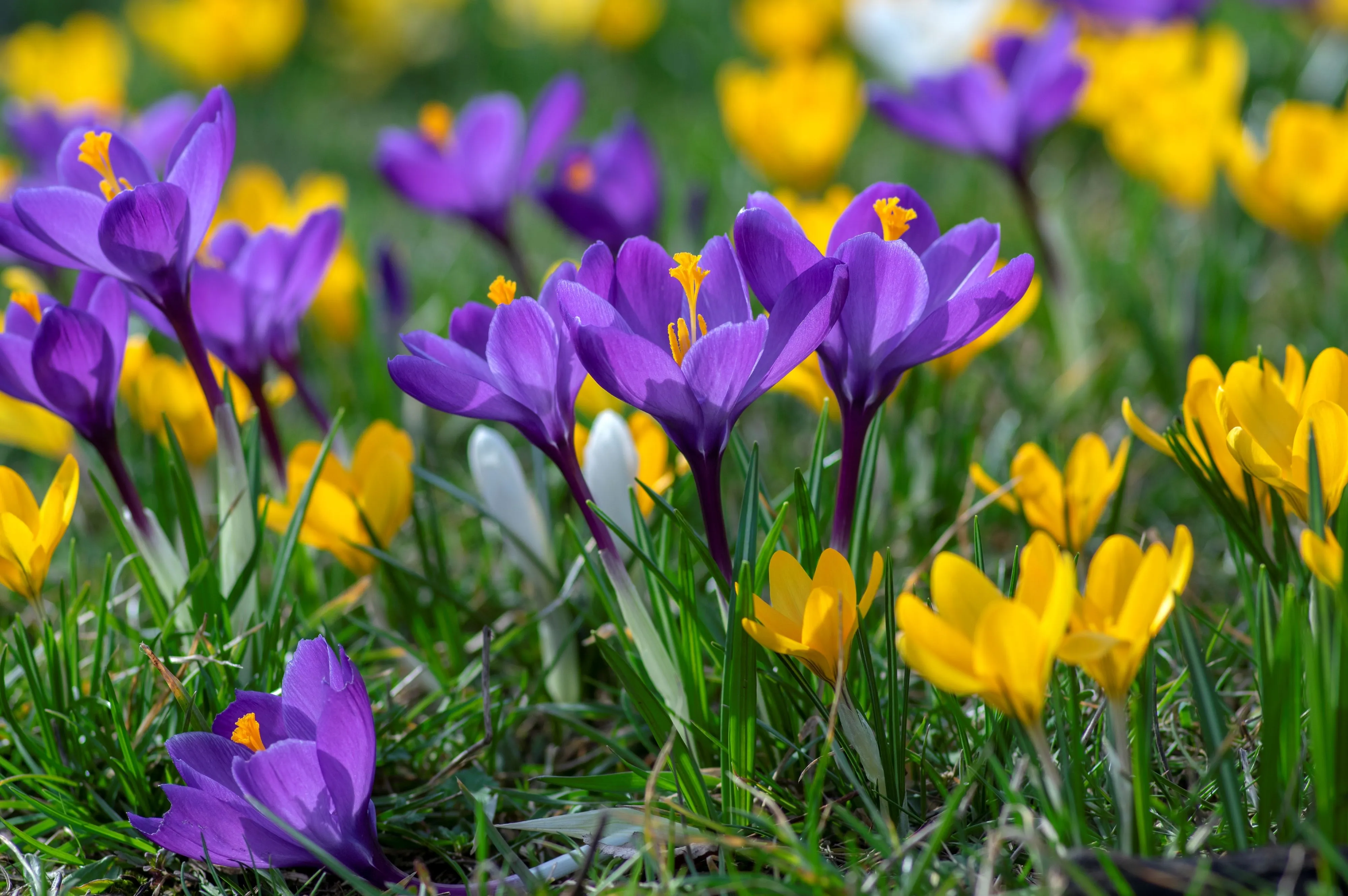
Bulbs such as crocuses planted in lawn and left to naturalize can make a colorful early springtime display, but there’s a caveat. After bulbs bloom, they undergo a rest period during which they store energy for next year’s bloom. As long as the leaves are not fully yellowed and shriveled, they perform photosynthesis, and the foliage should not be cut back during that time. That’s why any areas where you want to or need to mow early in the season before this foliage has died back are on the no-no list for bulb planting.
Related
4. Near Plants with Dense Roots
After you planted bulbs in the fall, they spend the first few weeks developing roots from their base and in order to do so, they need space. Sufficient space is also important later if you want the bulbs to naturalize over time. But if the planting area is already filled with aggressively growing roots of other plants, they are unable to get established, and the few bulbs that do make it will do poorly, as they are competing for nutrients and possibly also water.
For that reason, planting bulbs around a maple tree with its notoriously aggressive shallow roots, or any other trees, shrubs, or perennials with established strong root systems, is not a good idea.
5. In Areas with Salt Runoff
Lining a driveway or a walkway with flowering bulbs is pretty but not a suitable place if there is a chance that the planting area might get runoff from road salt and other de-icing agents. It does not necessarily mean that you are spreading salt on your own property; it could come from plowed snow accumulation from a nearby road.
The salt pulls water from the plant roots, so they dehydrate and shrivel even if there is sufficient moisture. The result is stunted, yellow foliage and no flowers.
6. In Contaminated Soil
Also stay away from locations where you had issues with soil-borne diseases of bulbs or any other plants in the past. Pathogens like fungi and bacteria can attack healthy new bulbs. It is not unusual for them to remain in the soil for a long time; for example, s Rhizoctonia tuliparum, a fungus that affects tulips and irises, remains in the soil for at least 3 to 5 years.
7. In Small Containers
Whether it’s a good idea to plant bulbs in containers at all is debatable, but if you live in a cool climate with freezing winters (which many bulbs require to bloom the next year), planting them in small containers is generally not recommended. In pots, unlike in garden soil, the roots are insufficiently protected against the cold, and they are subject to freeze-and-thaw cycles, which affect their bloom and, in the worst case, may kill them.
If you have no other place to plant bulbs than in containers, choose pots that are at least 24 inches wide, or a raised bed, which usually provides enough insulation.
- <span>Gardening</span>
- <span>Flowers</span>
- <span>Bulbs</span>