Does Grass Seed Go Bad? 7 Expert Tips for Keeping It Fresh
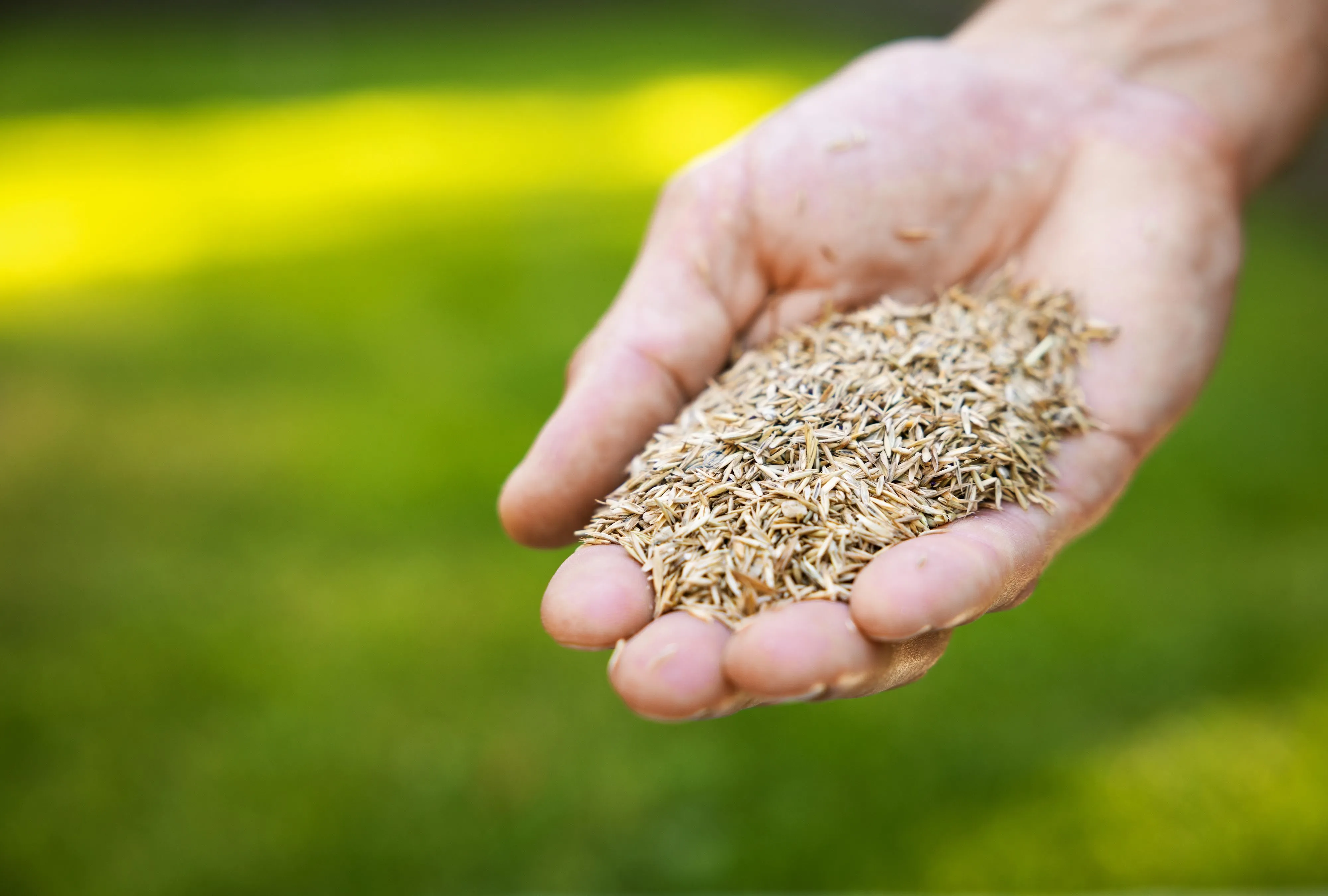
- Grass seed viability depends on type, quality, and storage; keep seeds dry, as moisture causes mold or early germination.
- Store seeds in airtight containers in cool, dark, and dry areas away from light, oxygen, and temperature fluctuations.
- Check expiration dates and inspect seeds for mold, odors, or discoloration; properly stored seeds can last up to four years.
At the end of the season, you may still have an unopened or half-used bag of grass seed left over and wonder whether it goes bad. The short answer to the question is yes, but several factors impact its shelf life. These include the type of seed, its quality, and how it’s stored.
Whether you’re overseeding a lawn or simply repairing bare spots, keep these expert tips to keep in mind to ensure your grass seeds stay viable as long as possible.
<strong>Denis McCausland</strong> is a professional landscaper and editor for Denver Landscaping Lynx.
1. Know the Type of Grass Seed
There are two main types of grass used for lawns: cool-season and warm-season. If you are unsure which type of grass you have, check the bag. Bermudagrass, Zoysiagrass, and St. Augustine grass are warm-season grasses that tend to have a shorter shelf life (1 to 3 years) than cool-season grasses like Kentucky bluegrass and fescue.
Within cool-season and warm-season grasses, there are other variables that influence how long they typically remain viable.
2. Keep Seeds Dry
Grass seeds must be kept dry at all times until you’re ready to sow them. Exposure to moisture could prompt early germination or fungus to grow and spread. Seeds that get damp or wet during storage will become moldy, resulting in unusable seeds that you’ll need to toss. “Make sure that your grass seed is dry,” says Denis McCausland, a professional landscaper and editor for Denver Landscaping Lynx.
Before sowing grass seed, check to make sure all seeds are dry, and there aren’t any odors emitting from the container. “If grass seeds feel wet or have a moist, mildewy smell, there’s a good chance that the grass seed is no longer viable for your lawn,” says McCausland.
3. Use an Airtight Container
After you’ve double-checked the seeds are dry, store them in an airtight container, such as a glass jar with a lid, advises McCausland. This helps “prevent moisture from harming the seed and reducing germination rates,” he explains. Exposure to oxygen can also cause grass seeds to go bad faster, so transferring seeds from paper packaging to an airtight container can extend their viability.
4. Go Dark
Once grass seeds are in the proper receptacle, store them in an area where there isn’t any light. Exposure to sunlight can harm seeds and negatively impact germination rates. “Store your seeds in a cool, dry, dark place like your basement,” recommends McCausland.
A shed or garage may seem like a good place to store seeds, but temperatures change too much. “Sheds and garages aren’t ideal places to store grass seed due to extreme temperature fluctuations, which can be detrimental to grass seeds,” says McCausland.
Related
5. Store in a Controlled Environment
Seeds of all kinds need to be stored carefully because, though dormant, they are living, breathing things. Placing them in an area where the temperature and humidity levels are controlled is important for longer-lasting seeds.
Grass seed stored in a garage or storage shed—uncontrolled environments—generally lasts only a year or two, according to McCausland. That’s because “long-term exposure to light, moisture, and extreme temperatures can deteriorate the quality of your grass seed and reduce germination rates,” he says. Grass seeds kept in a dark environment in an airtight container may potentially last around four years, he adds.
6. Check Expiration Dates
The expiration date can offer insight into the viability of seeds, too. Expiration dates serve as an indicator of when seeds will have a lower germination rate. “Checking the expiration date on the seed packaging is an obvious and quick way to determine whether or not your grass seed is still viable,” says McCausland.
7. Look for Freshness Cues
Seeds can give clues on whether they’ve been stored well by how they look. Before using any stored grass seeds, inspect them. “Visual grass seed inspection should show a consistent color that is free of mold and fungus,” says McCausland.
- <span>Gardening</span>
- <span>Caring for Your Yard</span>
- <span>Lawn Care</span>