6 Native Bulbs to Plant This Fall for Gorgeous Flowers Next Year
- Native bulbs are less common but can be found at native plant nurseries and online sellers.
- Species with a wide geographical range, such as nodding onion, are likely to do better in most locations.
- Bulbs requiring very specific conditions, such as dry summer dormancy for mariposa lilies, are more finicky to grow.
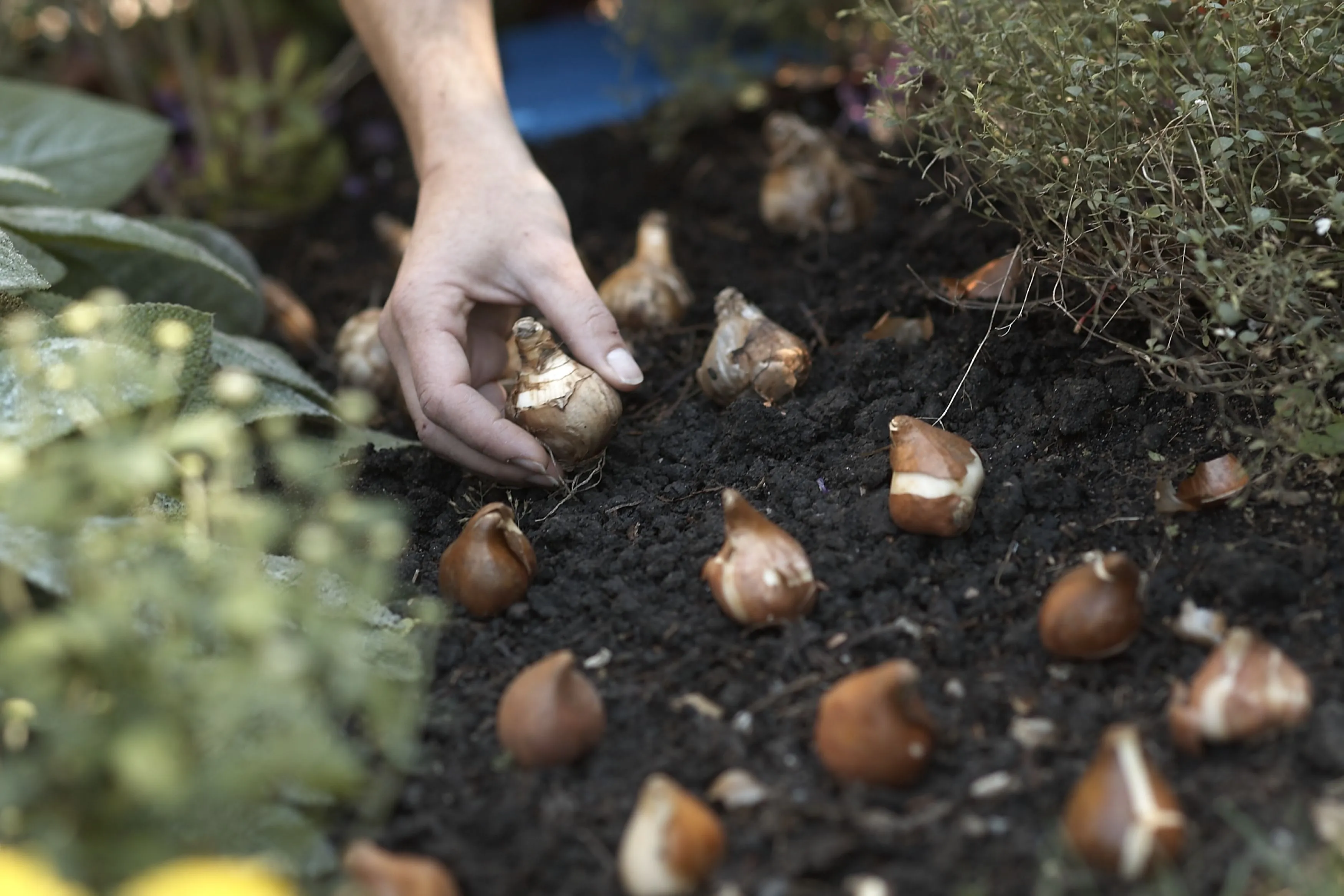
If you are trying to add more native plants to your yard, you might have wondered if there are any native bulbs to plant in the fall. There are, although native bulbs are not anywhere as numerous as bulbs from other parts of the world (tulips alone come in more than 3,000 varieties).
Because native bulbs are less commonly planted in gardens, they are not as readily available, but with some luck, you can find these bulbs at native plant nurseries or online bulb suppliers.
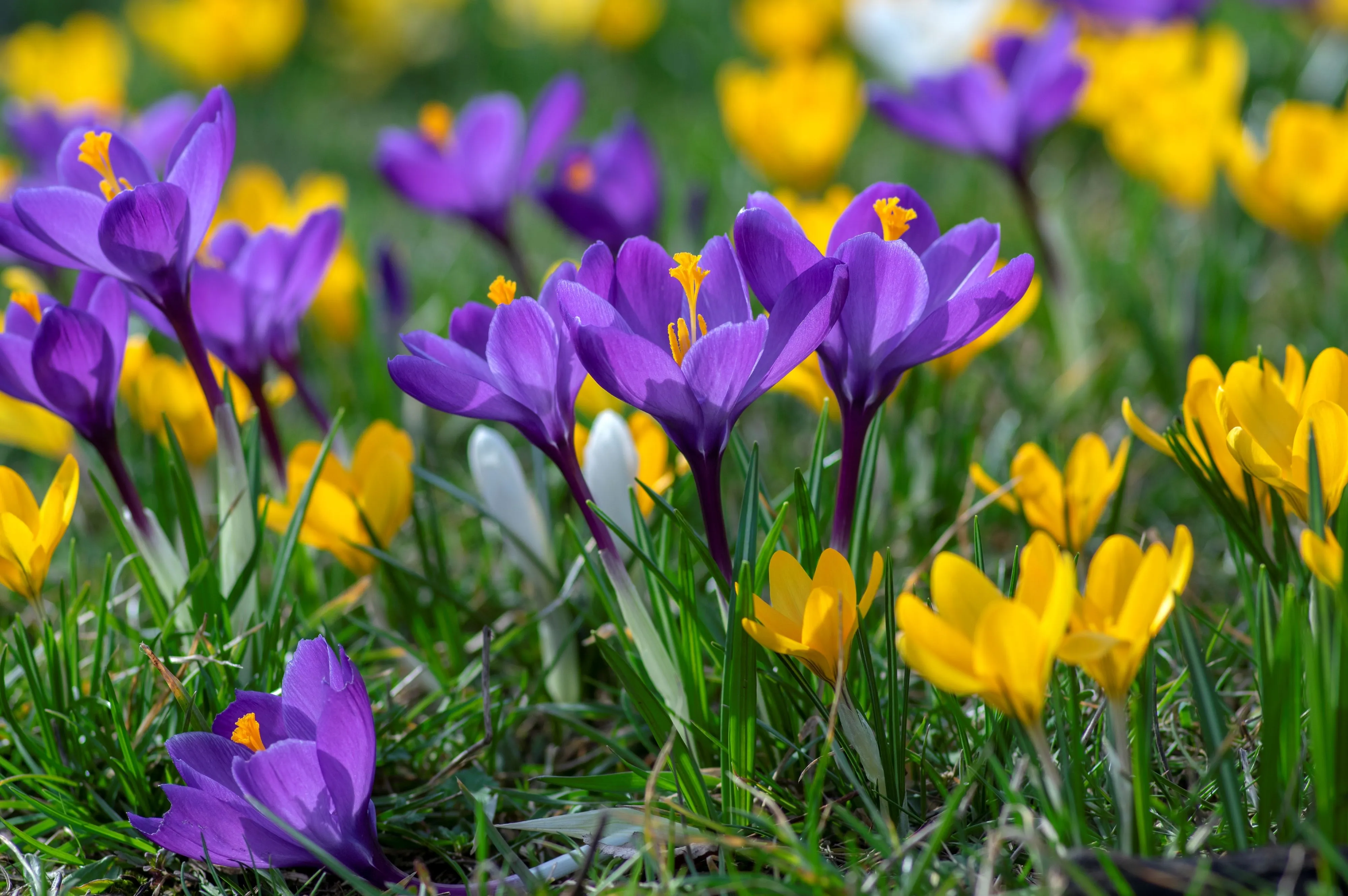
Bulb is a blanket term that covers not only true bulbs, but also plants with tuberous roots such as daylilies, as well as corms, such as crocuses.
Camassia
Because plants in this genus belong to the asparagus family, it is not surprising that Native Americans used the bulbs as food. Camassia includes six species, each native to different parts of the United States and Canada. Though the star-shaped flowers in late spring are relatively small, they are showy. Colors range from white and light or dark purple or blue to violet, depending on the species. Like most spring-flowering bulbs, the grass-like foliage dies back after flowering.
Botanical name:Camassia spp.
Growing conditions: Full to part sun; moist, rich, well-drained soil
Size: 1-4 feet tall depending on the species
Zones: 4-8
Dichelostemma
Another member of the asparagus family, these late spring and early summer bloomers are native to the western United States. A peculiarity of these plants is that the flowers appear on tall, slender, naked stems. Dichelostemma congestum, commonly called wild hyacinth, has rounded, purple flower clusters, and D. ida-maia (shown above), with its bright red tubular flowers, is aptly called firecracker flower.
Dichelostemma reliably naturalizes over time through its underground corms and by self-seeding. Once established, the plants are drought-tolerant.
Botanical name:Dichelostemma spp.
Growing conditions: Full sun; well-drained soil
Size: 2-3 feet
Zones: 6-9
Mariposa Lily
With more than 70 species, the mariposa lily is one of the largest and most diverse genera of native bulbs, found in the western United States and as far south as Guatemala. The leaves are thin and grass-like, and the flowers can be open bowls, bell-shaped, or nodding. Growing these plants outside their native habitats can be challenging because during their dormancy period in the summer, they require very dry conditions.
If you want to give it a try, consider the yellow mariposa lily (C. luteus, shown above) with open, golden-yellow flowers in spring and early summer. The plant is native to California and viewed as one of the easier species to grow.
Botanical name: Calochortus spp.
Growing conditions: Full sun; well-drained soil
Size: 8 inches to 3 feet
Zones: 3-10
Trout Lily
Also known as dog tooth violet, this charming spring ephemeral has beautiful nodding, lily-like flowers and attractive, mottled foliage that makes the plant easy to recognize. Trout lilies with yellow flowers (E. americanum, shown above) are the most common, but there are also white-flowering and pink-flowering varieties. In the right conditions, trout lilies naturalize to form a carpet over time. Unlike other bulbs, trout lily bulbs suffer when out of the soil, so make sure to plant them promptly.
Botanical name:Erythronium spp.
Growing conditions: Part to full shade; moist, rich soil
Size: 4 to 14 inches
Zones: 3-9
Turk’s Cap Lily
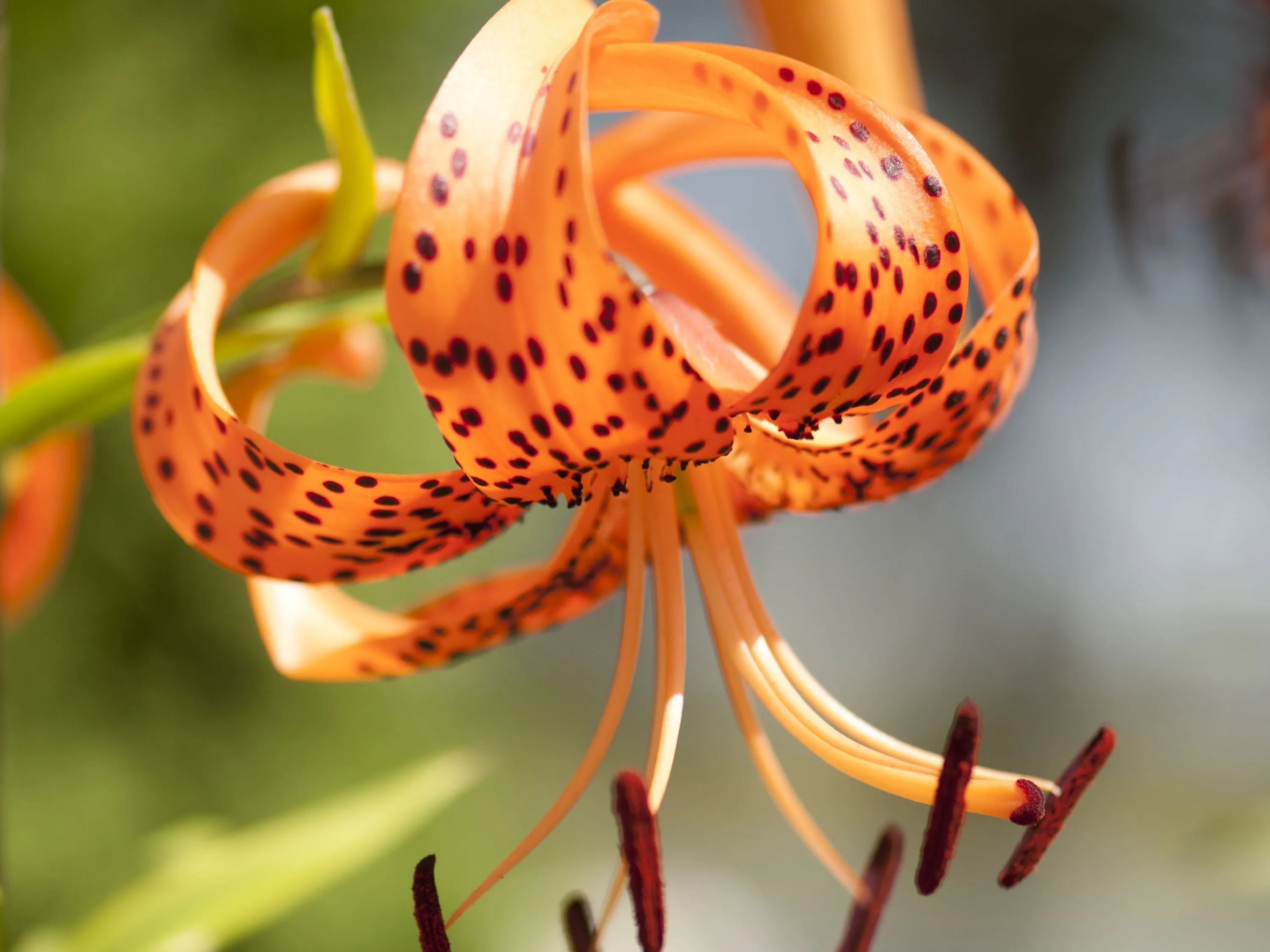
The towering size of these lilies, the tallest of their kind on the American continent, alone makes these plants stand out. Combined with their nodding, densely spotted yellow- orange flowers in mid-summer, these are real eye-catchers. In their native habitat in the eastern United States, Turk’s cap lilies form large colonies. In less ideal conditions, especially without consistent moisture, it is less likely to spread.
Botanical name:Lilium superbum
Growing conditions: Full sun to part shade; moist to wet, rich, well-drained soil
Size: 4-7 feet
Zones: 5-8
Nodding Onion
This is one of the native plants with the largest geographical range, and it is easy to grow, so there is a good chance it will do well in your location if conditions are right. The dainty bell-shaped, pink or white, downward-facing flower clusters appear between June and August. Over time, nodding onion forms compact clumps via small bulb offsets. While it is possible to grow nodding onion from seed, it requires patience, as the plants will only flower in their third year.
Botanical name:Allium cernum
Growing conditions: Full sun; rich, well-drained soil
Size: 6 inches to 2 feet
Zones: 4-8
- <span>Gardening</span>
- <span>Flowers</span>
- <span>Bulbs</span>