Summer gardening can feel like a whirl of activity: The flowers need planting before it's too hot for them to thrive. The mulch needs refreshing to stop the weeds from taking over. After the first flush, the flowers need to be deadheaded to keep the color coming. It can feel overwhelming to keep up with, but this summer garden checklist can help you focus your efforts where it matters most. As you cross off each of these tasks, you'll be maximizing the beauty of your garden and supporting the health of your plants.
1. Spread Mulch
Spreading a 2-inch-thick layer of mulch over your soil is one of the best things you can do for your garden. The mulch blankets the ground, shielding the soil from the sun and keeping it cooler. That puts less stress on plant roots and also slows moisture loss due to evaporation.
There's not a single best type of mulch. Anything made from organic matter—shredded wood, pine straw, a mix of grass clippings and shredded leaves—will work. As it decomposes, the mulch will help improve soil structure and add nutrients.
2. Pull Up Weeds
Many types of weeds thrive in summer heat and can quickly go from tiny to gigantic. It's important to remove them from your garden as soon as possible because weeds steal moisture and nutrients from your plants. Many weeds also encourage insect pests and diseases to move in.
Weeds are easiest to pull when they're young and small; moist soil makes this task even easier. Another reason to tackle them while they're young: You want to stop weeds from producing seeds. A single dandelion plant can yield 2,000 seeds in a year, while lamb's quarters can produce 150,000 seeds in a year. That's a lot of future weeding you can avoid.
3. Add Color with Summer Annuals
Once summer heat arrives, many spring-blooming annuals—pansy, snapdragon, osteospermum—will fade. Keep your yard looking tidy by removing the spent plants and replacing them with heat-loving varieties, such as angelonia, lantana, ageratum, coleus, pentas, salvia, sweet potato vine, and zinnia. These summer-friendly annuals grow quickly in warm temperatures and will soon provide a beautiful burst of color.
4. Plant Summer-Blooming Bulbs
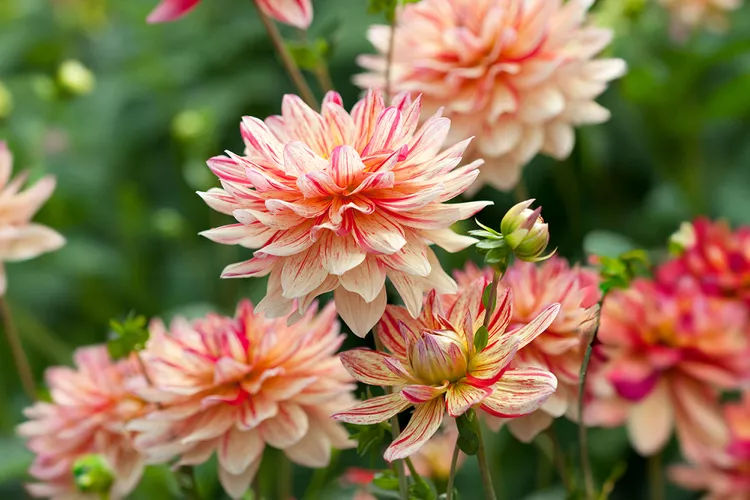
Summer bulbs like calla, canna, and dahlia are an easy way to add color to your landscape all summer long. These varieties are tender, so if you live in a zone where they're not hardy, plant them after all danger of frost has passed. Once temperatures rise, they grow quickly.
5. Pinch Back Mums and Other Late Perennials
Keep mums, sedums, asters, and other fall-blooming perennials standing tall by pinching the top inch or two of new growth. You can do so up to the Fourth of July. Pinching the tops of the plant typically results in more compact, sturdy growth. It may also encourage the growth of more blossoms from the side shoots, though the flowers typically end up a little smaller and appear a couple of weeks later than normal.
Other perennials that you can pinch back in May and June:
6. Remove Faded Flowers
If you remove spent blooms from many of your annuals and perennials, you might see more flowers. Called deadheading, this process prevents plants from producing seeds, so they put more energy into making beautiful blossoms.
For plants that self-seed, deadheading cuts back on future efforts, too. Perennials such as columbine, coneflower, and black-eyed Susan, and annuals such as flowering tobacco, kiss-me-over-the-garden-gate, larkspur, and spider flower can self-seed to the point of being weedy in the garden. Deadheading will prevent an unwanted takeover.
7. Watch for Pests and Diseases
As with weeding, keeping an eye on pests and diseases should be done throughout the entire growing season. But midsummer is a particularly important time to fight plant-destroying bugs and diseases because that's around when their populations are really taking off. Some of the most common summer problems to watch for include:
- Cucumber beetles
- Grasshoppers
- Japanese beetles
- Tomato hornworms
- Powdery mildew
- Black spot
- Rust
8. Water Your Garden
If your region experience dry summers or a dry weather pattern, you may need to water your garden through the warmest months to keep it looking its best. Most common garden plants prefer an average of 1 inch of water a week. It's best to apply that inch all at once to encourage plant roots to sink down more deeply in the soil.
When watering, apply water directly to the ground rather than wetting a plant's foliage; water sitting on the leaves can lead to disease. Drip irrigation systems and soaker hoses are great for this job.
9. Harvest Vegetables
Don't let hot weather keep you out of the vegetable garden. Harvesting frequently encourages your plants to continue producing, and limits pest and disease problems. (Insects are attracted to overripe vegetables that fall off the plant and begin to rot.)
10. Start a Fall Vegetable Garden
Vegetables fall into two basic categories: cool-season and warm-season. The warm-season varieties—tomatoes, eggplants, peppers, cucumbers, summer squash—produce in the summertime. Once temperatures cool, these plants will fade.
Enjoy continued harvests by planting cool-loving vegetables, including broccoli, carrots, kohlrabi, lettuce, and spinach, during summer. That way, you can enjoy fresh, delicious harvests come autumn.
New